Technology & Inventions
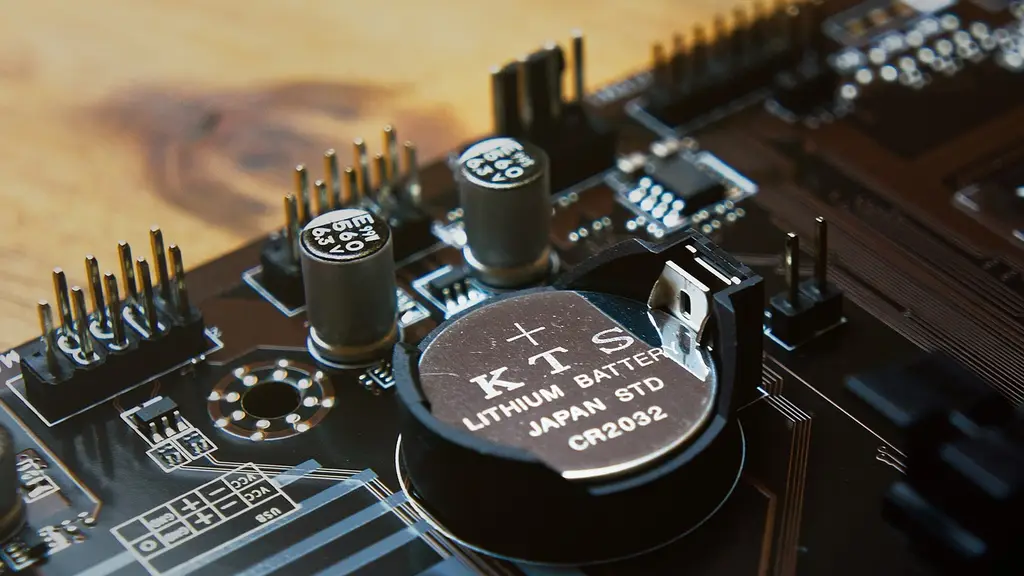
How Batteries Store Energy
Inside a battery: how anodes, cathodes and electrolytes turn chemical reactions into current, why lithium-ion took over, and how to build a lemon battery.
Every article published on Beyond Discovery, newest first: discoveries, space, life sciences, physics, chemistry, experiments and teaching resources.
Inside a battery: how anodes, cathodes and electrolytes turn chemical reactions into current, why lithium-ion took over, and how to build a lemon battery.
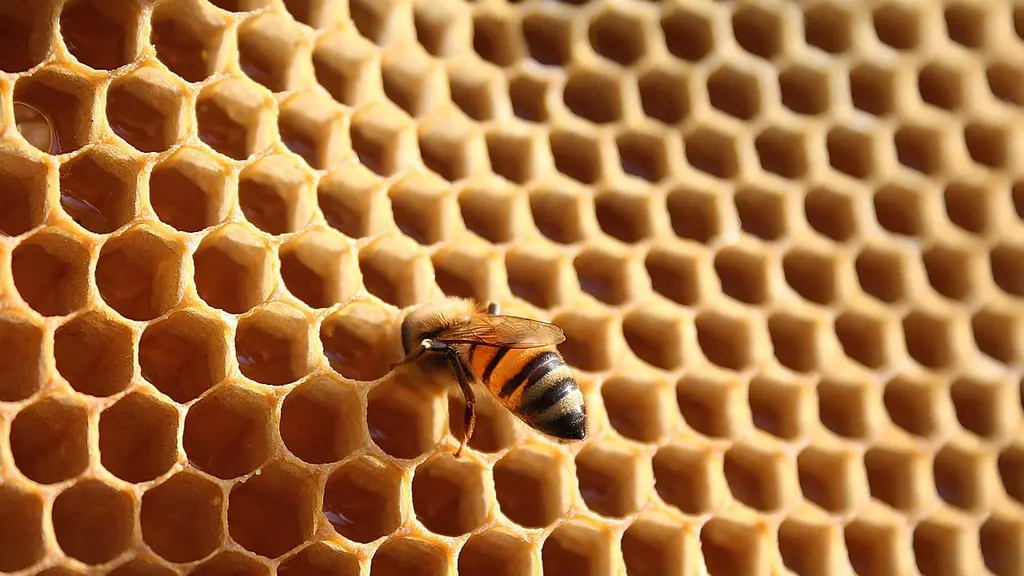
How honey bees turn flower nectar into honey, explained for children: foragers, enzymes, wing-fanning, wax caps, the waggle dance and questions to discuss.
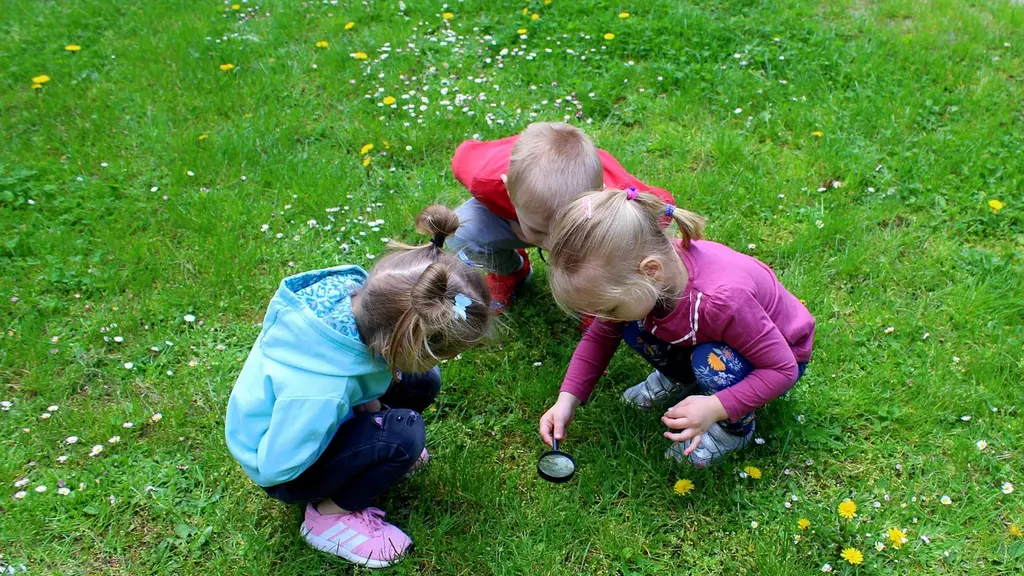
Research on babies, toddlers and preschoolers shows how curiosity grows, why 'why?' questions matter, and simple ways adults can keep that spark alive.
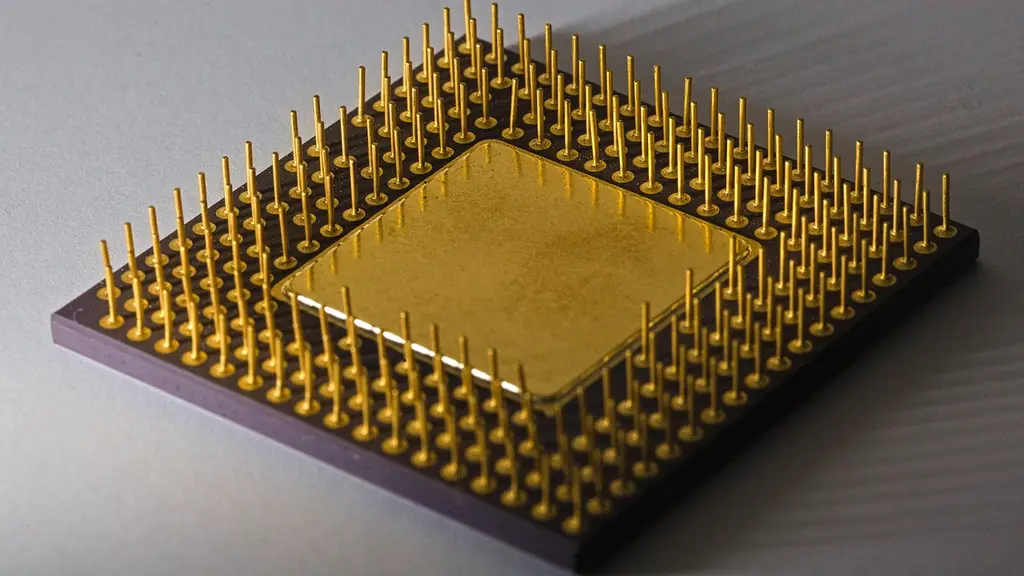
From the abacus and Babbage's engines to vacuum tubes, transistors, microchips and smartphones: the key ideas and machines behind the computer in your pocket.
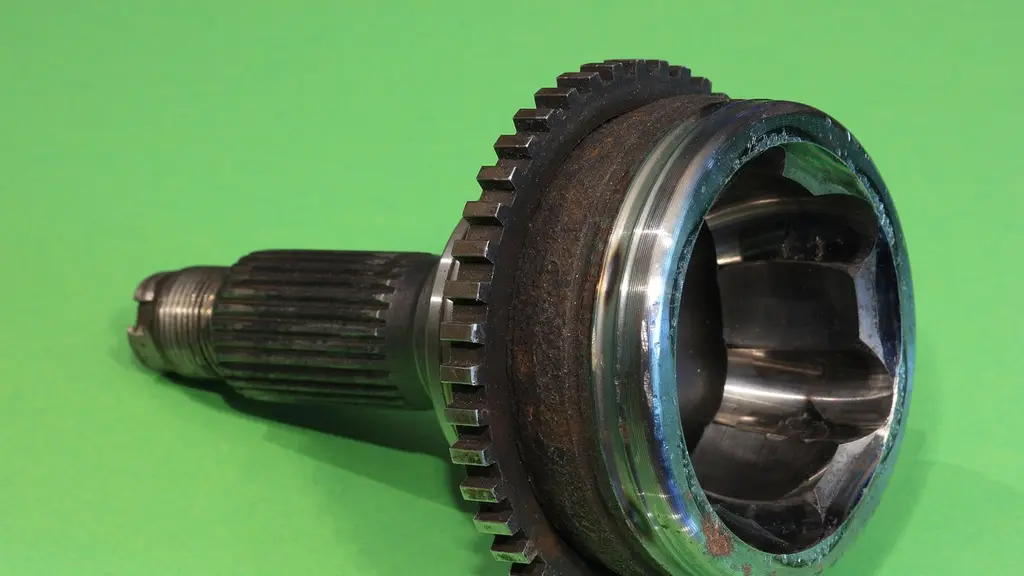
How a constant-velocity joint lets a front-wheel-drive car steer and drive at once: Rzeppa's ball-and-cage idea, the Birfield joint, tripods and torn boots.

How sunlight and raindrops make rainbows, explained for children: why colors split, why the Sun must be behind you, double rainbows and a garden experiment.
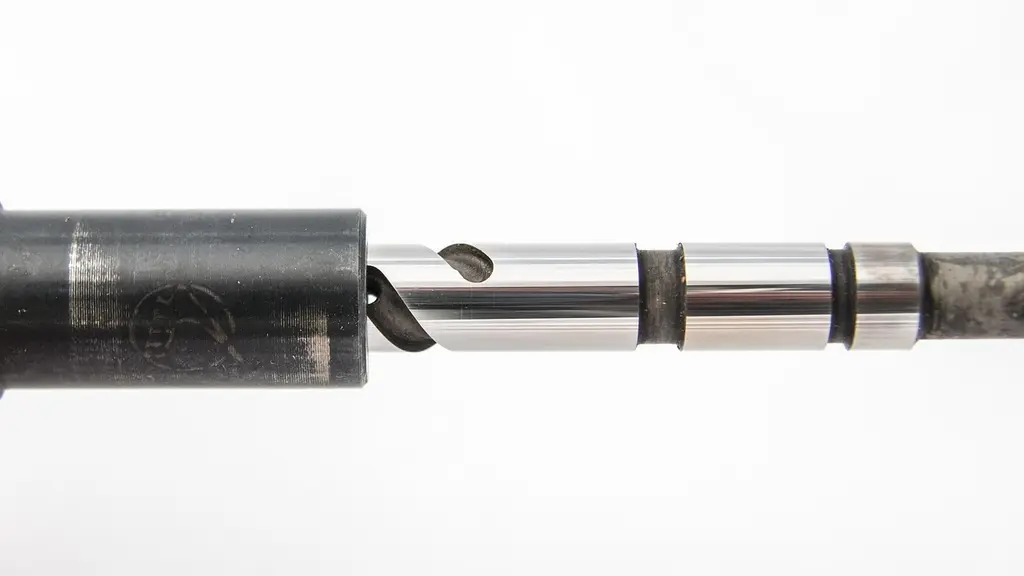
How engines meter fuel: the carburettor's Venturi trick, port and direct injection, sensors and the ECU, diesel common rail, and why it all cut emissions.
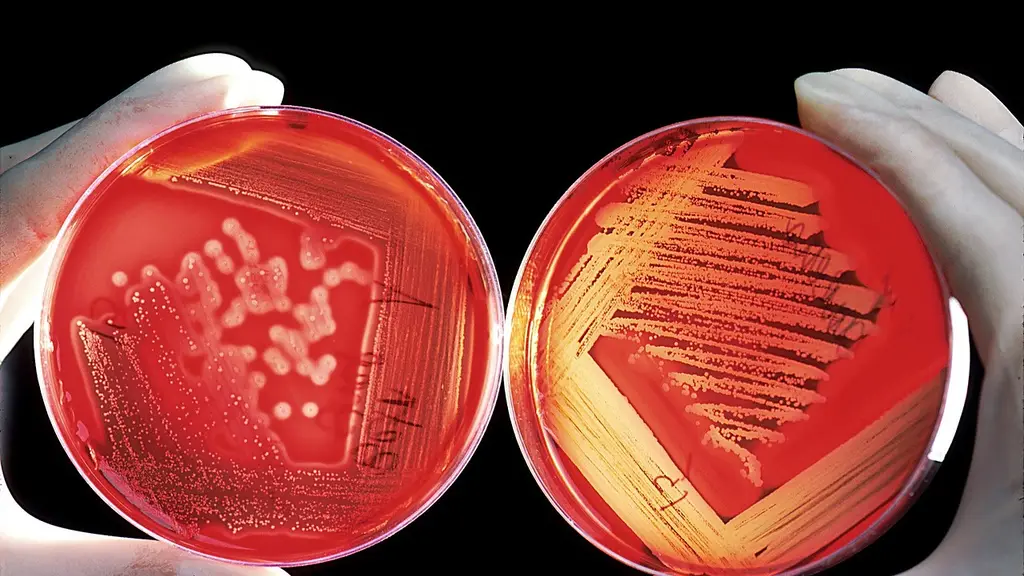
How scientists from Vienna to Tokyo proved that microbes cause infectious disease, and how that idea transformed surgery, public health and medicine.
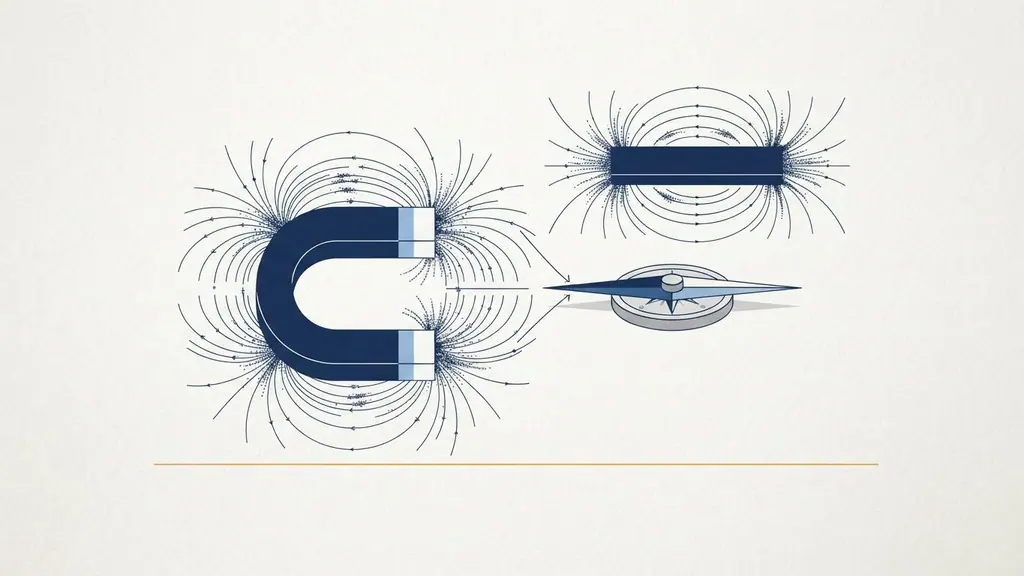
Why do magnets stick, attract and repel? Learn how spinning electrons, magnetic domains and electric currents create magnetism, with a safe compass to build.
How a seed becomes a plant: where its mass really comes from, how water climbs a tree without a pump, and how hormones steer growth toward the light.

Why rockets don't need air to push against, how thrust, staging and orbital speed work, and the history that took rockets from fire arrows to reusable boosters.

From atomic clocks to MRI scanners, follow the long and surprising path from curious lab results to the tools and habits that shape an ordinary day.