Scientific Discoveries
Penicillin and the Accidental Birth of Antibiotics
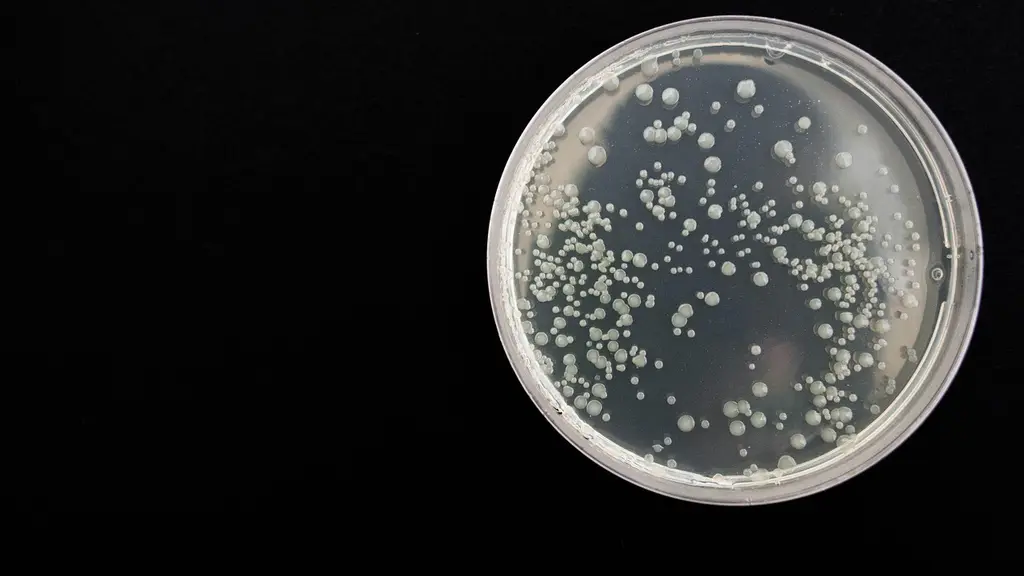
A moldy dish in 1928 started it, but turning penicillin into a medicine took an Oxford team, a wartime factory effort and a cantaloupe from a market.
Every article published on Beyond Discovery, newest first: discoveries, space, life sciences, physics, chemistry, experiments and teaching resources.
A moldy dish in 1928 started it, but turning penicillin into a medicine took an Oxford team, a wartime factory effort and a cantaloupe from a market.
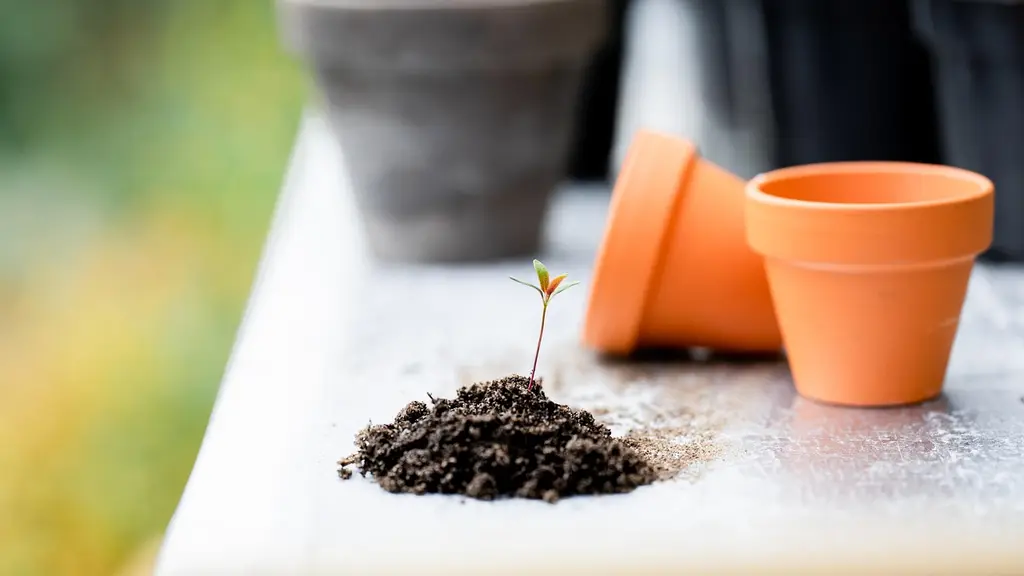
Five classroom plant experiments, from beans in jars to shoebox mazes, with fair-test planning, a week-by-week timeline, expected results and safety notes.
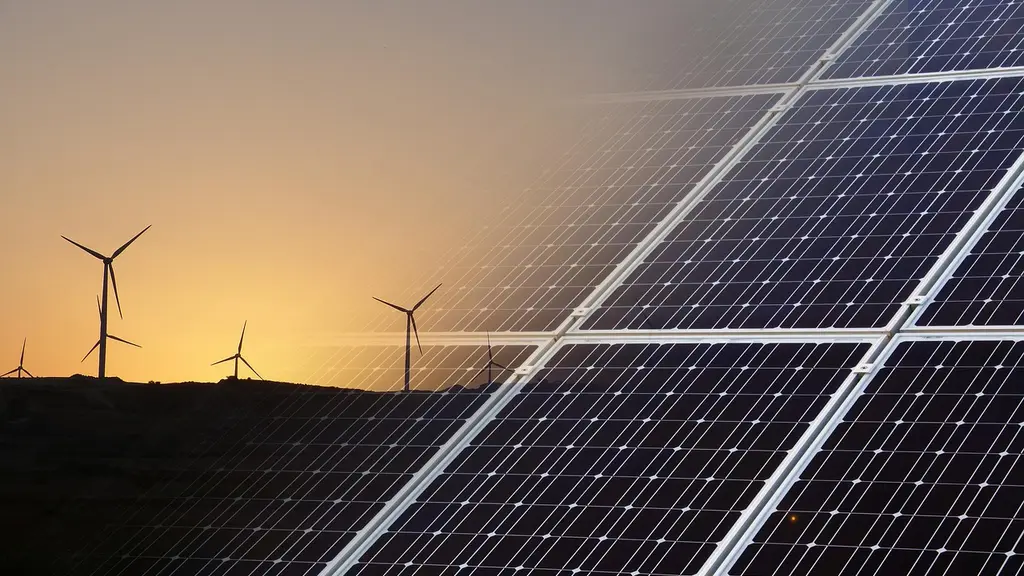
How solar, wind, hydropower, geothermal and bioenergy turn natural flows into electricity, what each does well, and why storage and grids matter next.
Four low-risk experiments for children, with materials, steps, expected results, the science behind them, age tips and the safety habits that matter most.

A practical guide to homeschool science: planning a year, a sample weekly rhythm, a starter kit, mixed-age lessons, safety, record keeping and free resources.
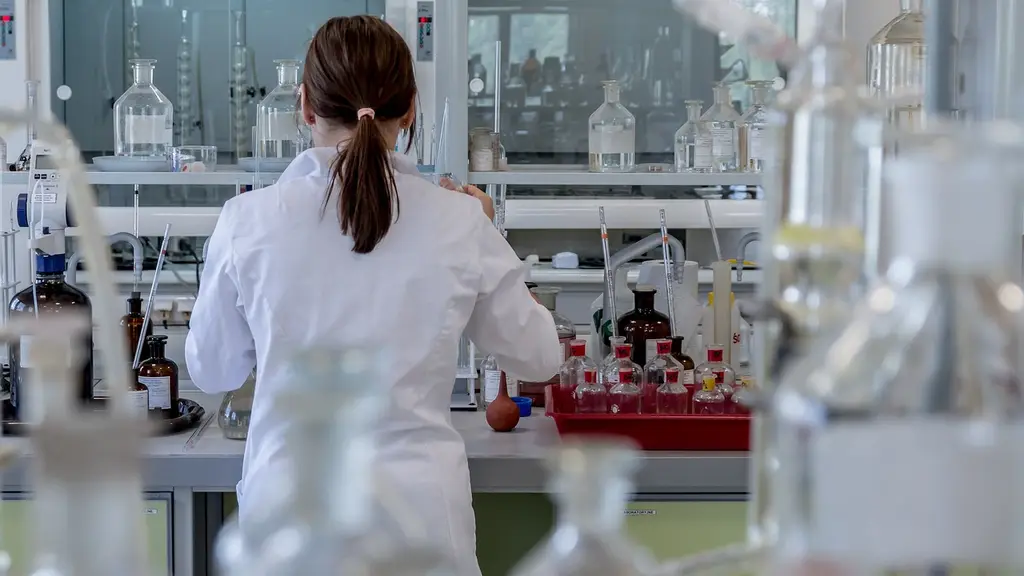
Seven safe, low-cost physics experiments for families: pendulums, static electricity, bending light, falling paper and more, with clear steps and explanations.
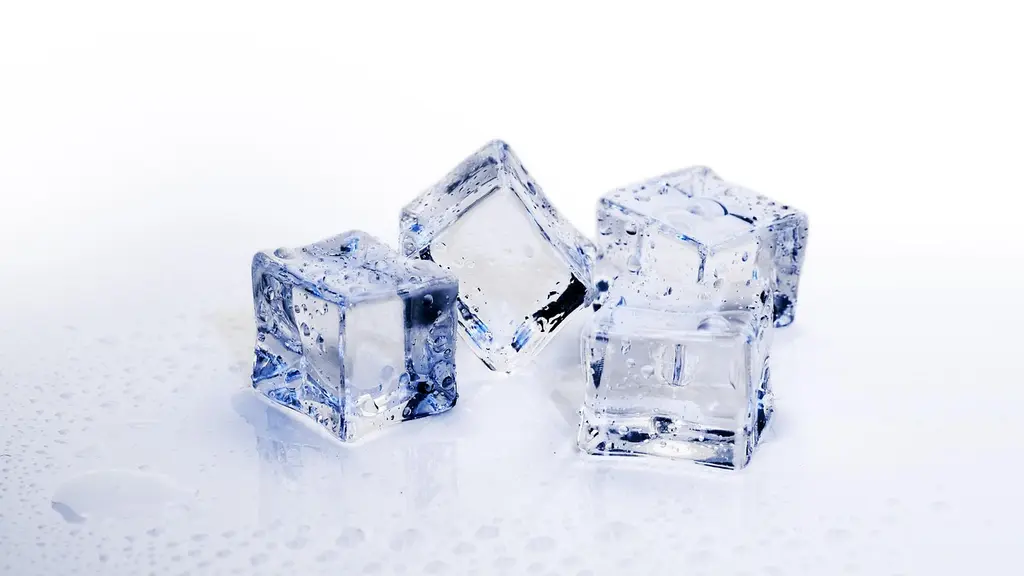
Why does ice melt, water boil and lightning glow? Explore the four everyday states of matter, the particle model behind them and the changes between them.
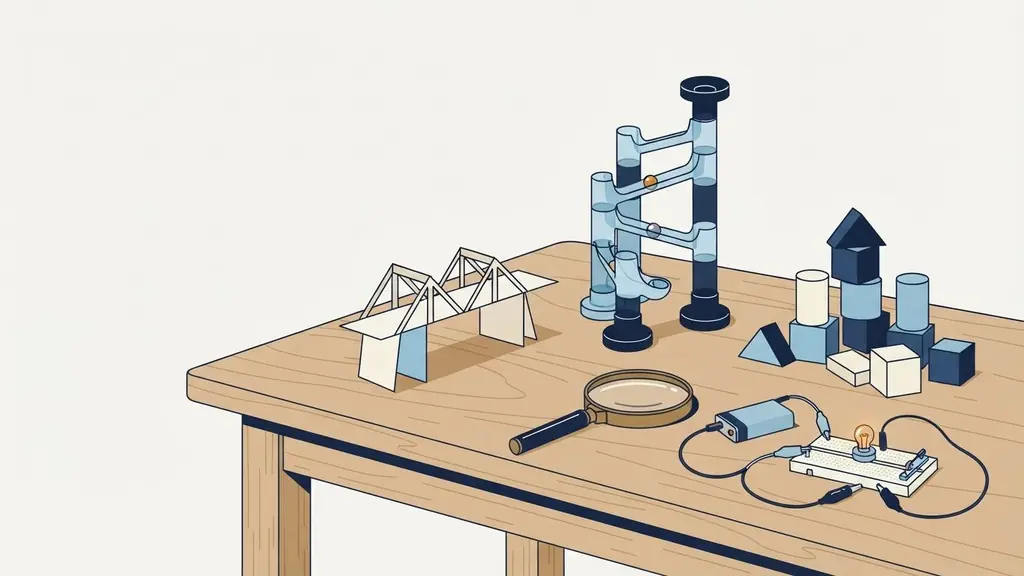
Ten hands-on STEM activities for ages 5 to 11, with materials, timings, ways to adapt each one by grade, and simple ways to assess what children learned.
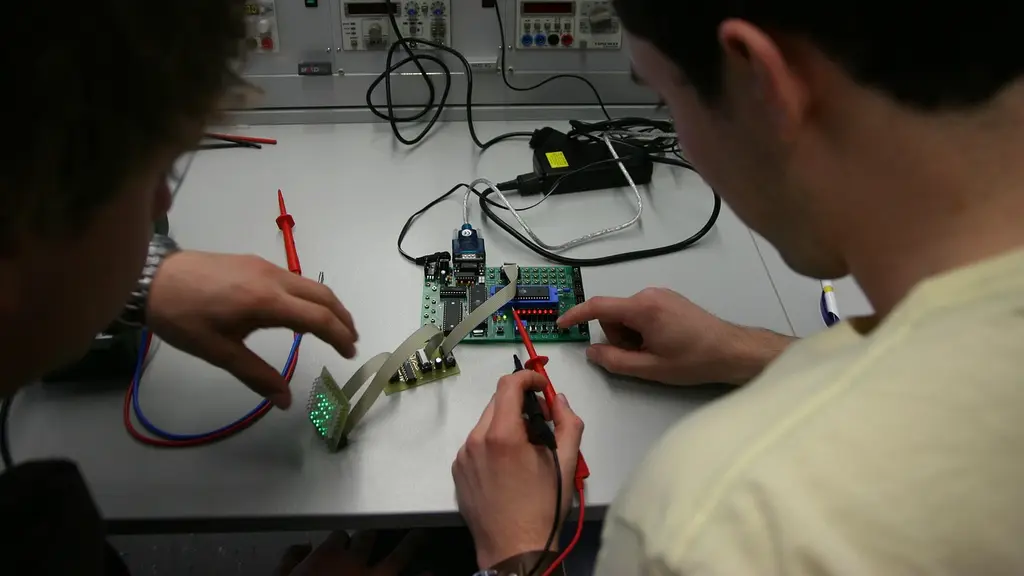
How to teach the scientific method as real thinking, not a poster: a five-lesson sequence with age-by-age adaptations, materials, timings and assessment.
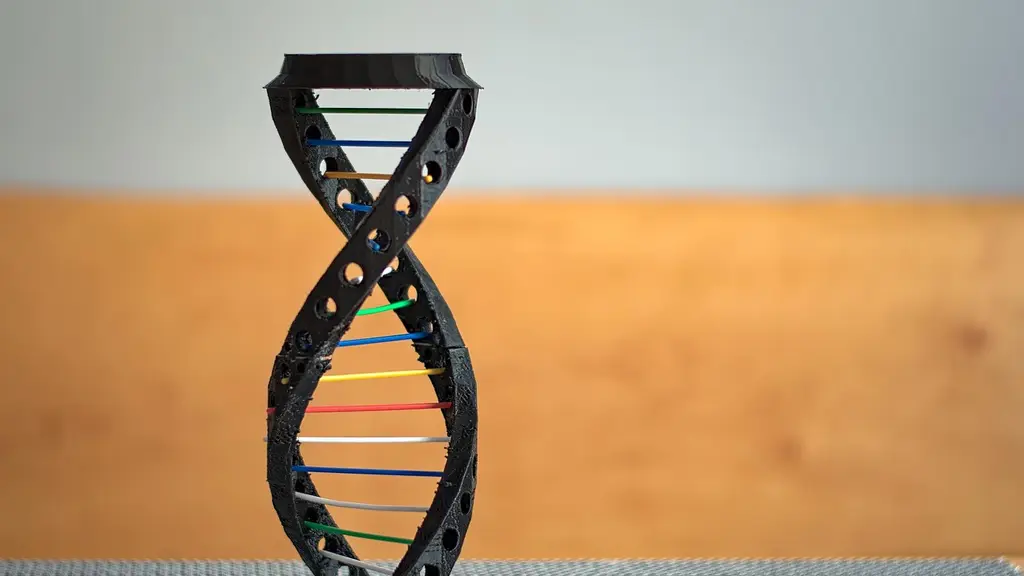
How X-ray photographs, chemical rules and cardboard models revealed DNA's twisted ladder in 1953, and why Rosalind Franklin's data mattered so much.
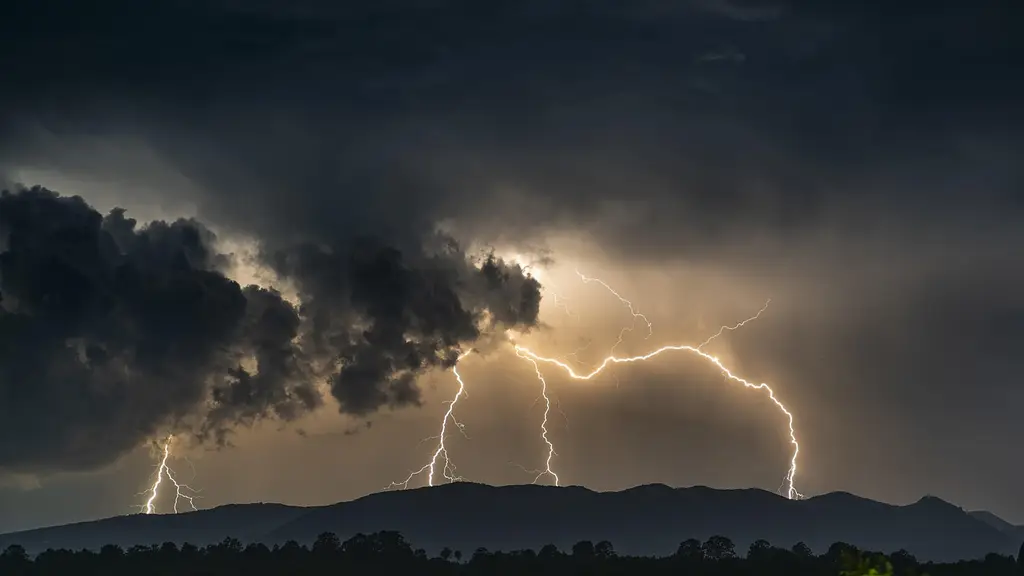
From rubbed amber and electric fish to Franklin, Volta, Faraday and Maxwell: how people over many centuries worked out what electricity is and how to use it.
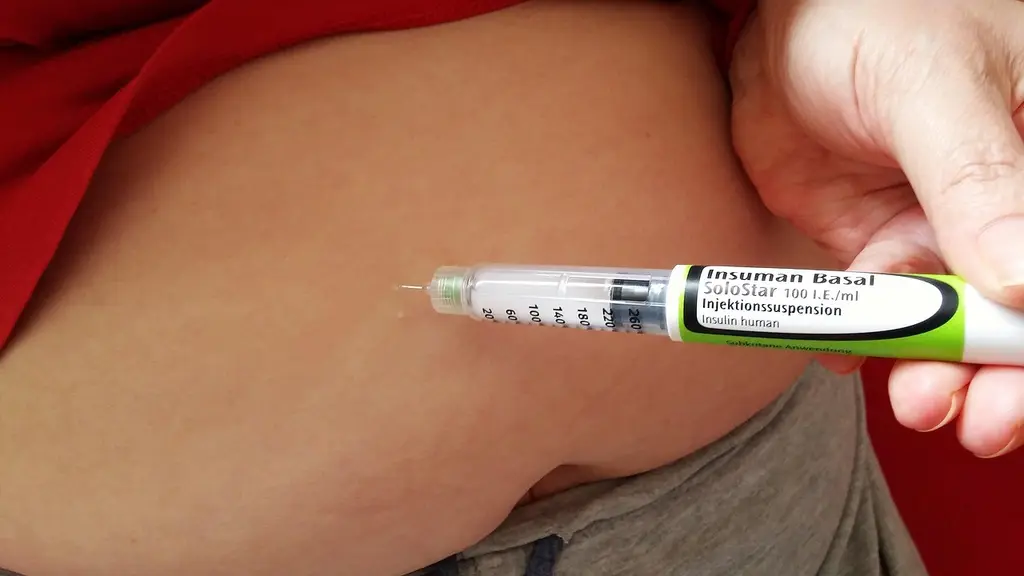
How a Toronto team turned a hunch about the pancreas into the first effective diabetes treatment in 1922, and how insulin has changed in the century since.